AGP Executive Report
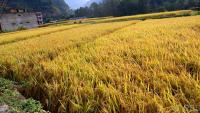
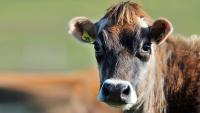
Last update: 8 hours agoAnimal Health: Bird flu has reached a dairy herd in Benton County, Washington, the second county in the state affected. The herd is quarantined; officials say pasteurized milk remains safe. Rural Investment: IFAD and Benin signed a $37.1 million deal to train young people and support climate-resilient farm businesses, targeting 50,000 rural households. Climate Readiness: Malaysia is coordinating measures against Super El Niño, including expanded smart irrigation, as low dam levels threaten rice production. In the Philippines, Bulacan officials are seeking $511.9 million to protect farms from possible drought losses. Food Security: Pakistan set a wheat support price of Rs4,500 per maund and plans strategic reserves of up to six million tonnes. Farm Workforce: Temporary H-2A workers fill seasonal gaps in U.S. agriculture; about one in six hired farmworkers nationally holds such a position, according to a Mississippi State economist. Green Farming: Vietnam plans to use APEC 2027 to advance regional cooperation on low-emission agriculture and food security, including a Mekong Delta rice initiative.
Note: AI summary from news headlines; neutral sources weighted more to help reduce bias in the result. Feedback is welcome. Please let us know if you have any comments or suggestions about the AGP Executive Report.

 Perspectify News